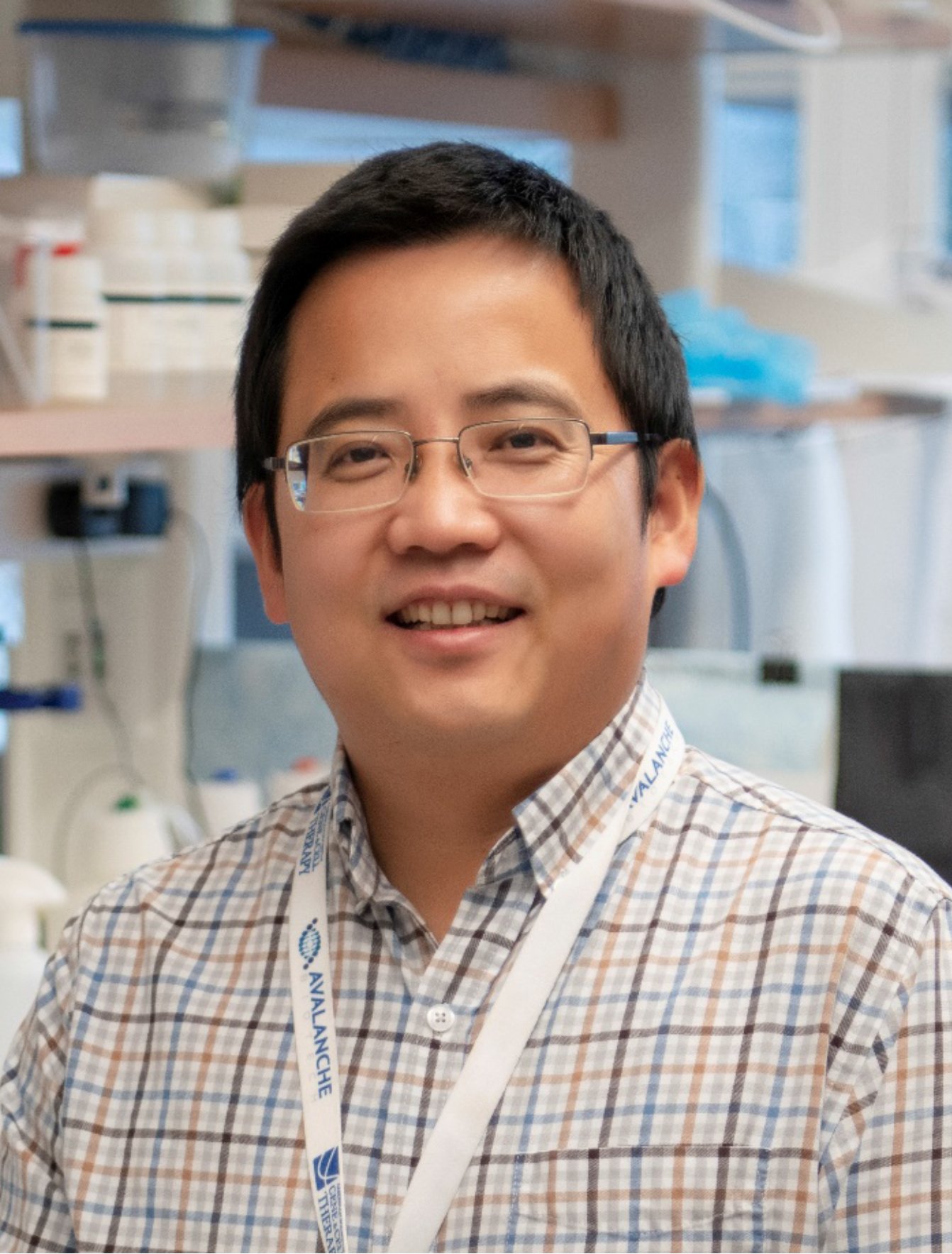
The United Leukodystrophy Foundation (ULF) is proud to announce the award of a $33,000 research grant to Dr. Jun Xie, PhD, of UMass Chan Medical School, to support an innovative preclinical gene therapy project focused on Hypomyelination with Atrophy of the Basal Ganglia and Cerebellum (H-ABC).
About the Funded Project
Project Title:
AAV-mediated gene silencing for the treatment of Hypomyelination with atrophy of the basal ganglia and cerebellum (H-ABC)
H-ABC is a rare and progressive leukodystrophy caused by mutations in the TUBB4A gene, leading to impaired myelination and gradual loss of motor function. Currently, there are no disease-modifying treatments.
Dr. Xie’s research aims to develop a novel intravenous (IV) gene therapy using an advanced AAV (adeno-associated virus) capsid to selectively silence the abnormal TUBB4A gene in both neurons and oligodendrocytes, the two key cell types affected in H-ABC.
Why This Research Is Innovative
This project stands out for its unique therapeutic strategy. If successful, this work could help overcome long-standing challenges in therapeutic delivery for H-ABC and support the groundwork for future clinical trials.
Why the MSAB Selected This Proposal
ULF’s Medical & Scientific Advisory Board (MSAB) conducted a rigorous, multi-reviewer evaluation process. Reviewers expressed strong enthusiasm for the proposal, highlighting:
- Compelling preliminary data demonstrating feasibility
- An experienced research team with extensive expertise in AAV vector development
- A novel, well-designed gene-silencing approach with clear translational relevance
- High feasibility due to existing models, materials, and institutional support
Reviewers overall consensus concluded that this was a strong, high-quality proposal with meaningful potential to advance treatment development for H-ABC.
Looking Ahead
ULF is honored to support Dr. Xie’s work as part of our ongoing commitment to advancing research for rare leukodystrophies. We look forward to following the progress of this project and sharing future updates with our community.
We extend our sincere gratitude to the MSAB reviewers for their thoughtful evaluation and to all applicants who submitted proposals during this highly competitive grant cycle.